Legal Lens Podcast
 Request a Callback
 (713) 999-6666



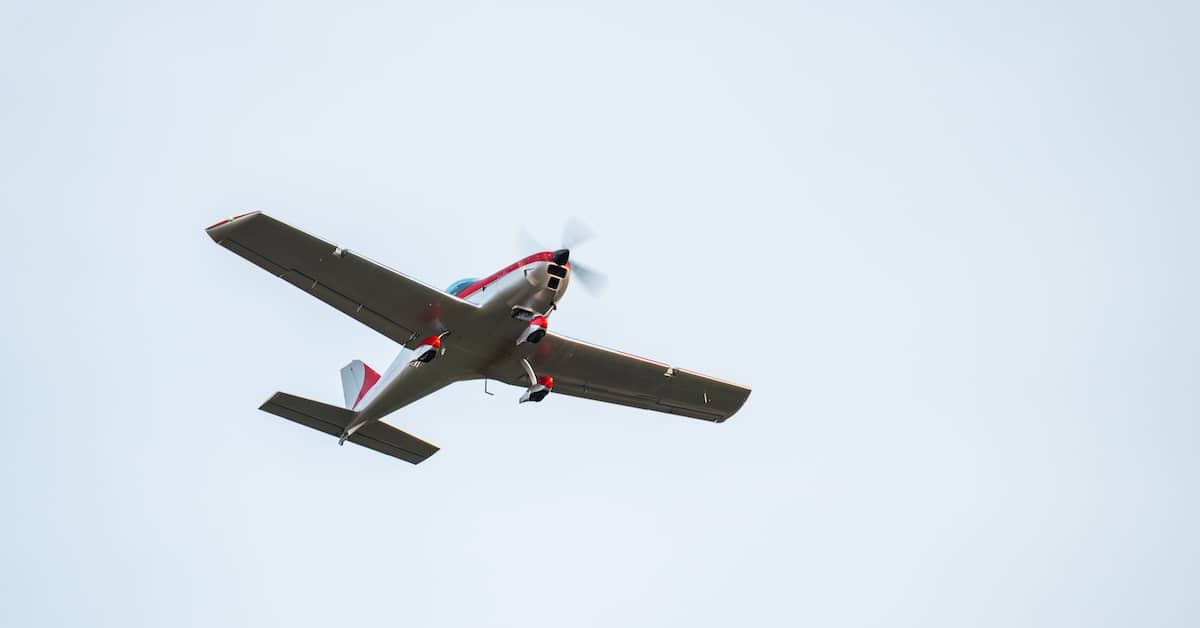


You never expected to need a guide on what to do after a plane or helicopter crash. But here you are. The aftermath of an aviation accident is chaotic, overwhelming, and unnerving. While the authorities launch their investigation, victims and families have to make decisions that could affect their long-term well-being.
Your health and your family’s safety come first. Once things stabilize, you’ll need to act quickly to protect your rights. The steps you take in the first seven days following an aviation accident are critical, but it can be hard to know what you should be doing.
Lean on a trusted friend or family member and, ideally, consult with an aviation accident lawyer as soon as possible. It’s easy for vital evidence and information to slip through the cracks in a crisis. You need all the support you can get right now and for the months and years ahead.
The team at Patrick Daniel Law created this guide to help you understand what to do after a plane or helicopter crash. Do what you can and know that we’re here for you. We fight for aviation accident victims to be treated fairly and to recover the full compensation they deserve.
If you or a loved one has been involved in an aviation accident, call us today at (713) 999-6666 for a FREE case evaluation. We will answer all of your questions and discuss your legal options for recovery. We represent clients in Houston, throughout Texas, and nationwide.
The number one priority for survivors and their families should always be to seek medical attention immediately, regardless of how serious your injuries may seem at the moment.
Some injuries, such as internal bleeding or traumatic brain injuries, can remain asymptomatic for hours or even days. Receiving medical attention can help spot these injuries before they lead to more serious concerns, while also documenting your injuries as soon as possible. This documentation will be valuable for your injury claim.
If you are contacted by insurers, aircraft operators, or other entities, we recommend that you avoid signing any forms at this stage. These organizations move fast when they fear they may be liable for damages, so be very careful in your communication with them.
Ideally, you will begin working with an attorney as soon as possible, so they can handle communications with the insurance company and other parties on your behalf.
Ultimately, your ability to recover compensation will rely on proof, not just of how the accident took place, but of your injuries and the costs associated with them.
We recommend meticulously documenting everything at this stage by:
In the midst of gathering this information, it’s also important not to share details about the accident publicly, including on your social media accounts, as these posts may be used against you later.
Over the next few days, there are some communications you should initiate, including:
An experienced aviation accident attorney can coordinate these communications for you, ensuring your statements are aligned with your legal interests and that you do not miss any deadlines for claims or notices.
In the aftermath of a plane or helicopter accident, it can be difficult to think clearly. This is completely normal. Unfortunately, even small missteps at this juncture can significantly affect your claim.
Some key missteps to avoid include:
The best-case scenario is to work with an experienced aviation accident attorney with whom you can be in regular contact.
Families of accident victims can take these steps to help protect their rights and prepare for a claim or litigation:
These steps help keep information organized and readily available, which enables your attorney to move quickly and decisively on your behalf.
The NTSB investigation process typically takes 12–24 months to complete, although timelines can vary significantly depending on factors such as the severity of the accident. They may, however, release a preliminary report within weeks of the accident.
The FAA, as well as the aircraft operator, insurers, and other parties, may conduct parallel investigations to review relevant information regarding maintenance, pilot history, and mechanical performance.
Your lawyer will also conduct their own investigation. It’s important to understand that this will likely be a lengthy process. Victims and their families should use this time to ensure all relevant medical, financial, and legal records are secured and organized.
It can be stressful to face mounting expenses as the investigation unfolds. However, most immediate expenses should fall under personal health insurance or travel insurance. There are some circumstances that may qualify for other forms of payment, including:
You may also rely on your legal counsel to coordinate interim coverage as the liability investigation unfolds. You should not be left footing the bill for someone else’s negligence.
Aviation accidents are highly complex, complete with a maze of federal, state, and international regulations that govern crash investigations. The evidence is often unique to aviation accidents, including flight data, maintenance logs, and design records.
Knowing what to look for and how to use it to build a successful claim is no small feat. Then, there’s negotiating with insurance companies, interacting with government investigators, and ensuring no key deadlines are missed.
This is where an experienced aviation accident attorney becomes invaluable. They will use their real-world knowledge to hold negligent parties accountable while protecting your right to justice.
You should never have to shoulder the burden of an aviation accident on your own. The legal, financial, and emotional toll can be immense, but the experienced team at Patrick Daniel Law is here to help.
If you’re wondering what to do after a plane or helicopter crash, we have answers. We offer FREE case evaluations and operate on a contingency basis, meaning you only pay us if and when we recover compensation on your behalf. Contact our Strategic. Meticulous. Merciless. aviation accident lawyer today. We’re here to handle the details so you and your family can focus on healing.
 Top Truck Accident Lawyer in Pasadena
 Best of The Best Attorneys
 Best of the Best Houston Chronicle 2021
 Best Motorcycle Accident Lawyers in Houston 2021
 American Association for Justice Member
 The National Trial Lawyers 2016 – (Top 40 under 40)
 Multi-Million Dollar Advocates Forum 2016 (Top Trial Lawyer)
 Million Dollar Advocates Forum 2019 (Top Trial Lawyer)
 America’s Top 100 Attorneys 2020 (High Stake Litigators)
 Lawyers of Distinction 2019, 2020 (Recognizing Excellence in Personal Injury)
 American Institute of Personal Injury Attorneys 2020 (Top 10 Best Attorneys – Client Satisfaction)
 American Institute of Legal Advocates 2020 (Membership)
 Association of American Trial Lawyers 2018 - Top 100 Award recognizing excellence in personal injury law
 American Institute of Legal Professionals 2020 (Lawyer of the Year)
 Lead Counsel Verified Personal Injury 2020
 The Houston Business Journal 2021